
Community
The Yerala Projects Society (YPS) has implemented numerous initiatives to uplift communities in Jalihal and nearby areas. These include providing access to clean water, healthcare, and food security, as well as empowering individuals through skill development, education, and sustainable agriculture programs. YPS has also focused on improving living conditions with solar lighting, smokeless stoves, and affordable housing, while challenging societal norms through initiatives like remarriages and celebrating the birth of girl children. By addressing unique challenges, such as supporting migrant laborers and reducing migration, YPS fosters sustainable development and community well-being.
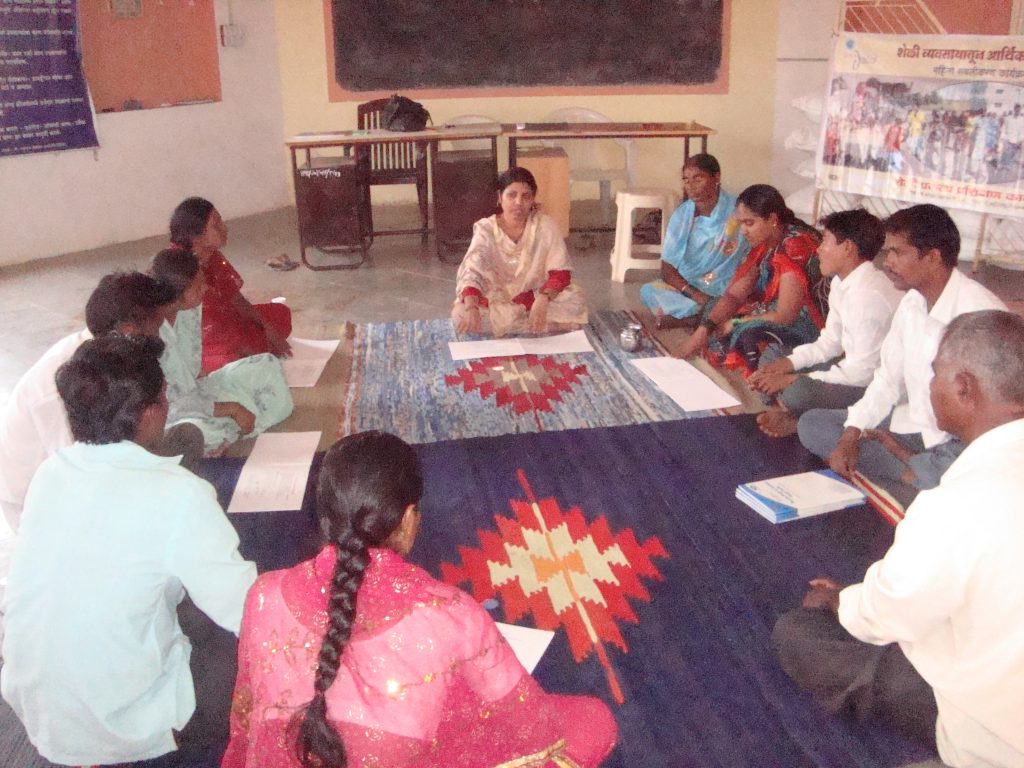
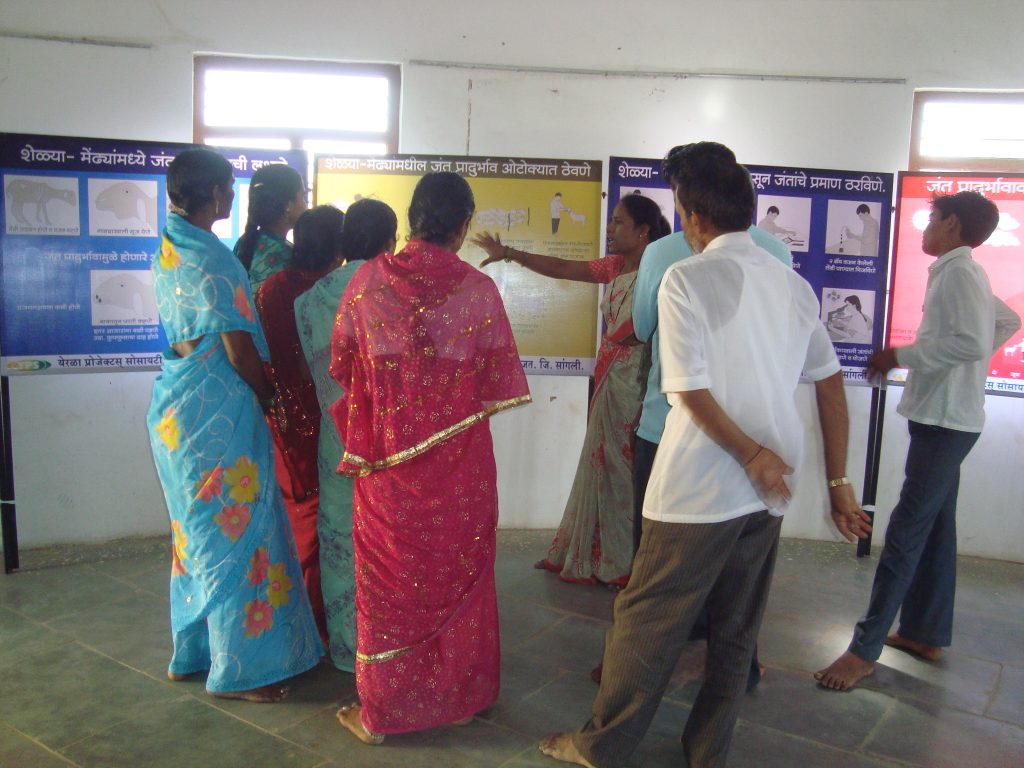
The Yerala Projects Society (YPS) has undertaken a variety of impactful initiatives in Jalihal and surrounding areas to uplift the local community.
Grain Bank: During the year 2009-10 YPS has established a Grain Bank to ensure food security for vulnerable families. In Jalihal if the area does not receive This initiative allows families to borrow grains during times of need and return them after harvest, fostering a sense of community support and resilience.
Health Camps and Services: Regular health camps are organized to provide medical check-ups, treatments, and awareness programs. These camps address common health issues and ensure that rural communities have access to essential healthcare services.
Establishment of RO Water Purifiers in 6 Villages: To combat waterborne diseases and provide clean drinking water, YPS has installed RO water purifiers in seven villages. This initiative significantly improves the health and well-being of the residents and also to provide employment to local youths.
YPS has actively promoted kitchen gardening among rural families to foster self-sufficiency in growing vegetables. From 2006 to 2010, the program trained 300 women, providing them with improved seeds and irrigation materials through the YPS extension team’s efforts. In 2024, the initiative took a new approach by training village women volunteers to establish kitchen gardens. Each volunteer guided 10 women, distributed improved seeds, and supported them in developing their gardens. As a result, 500 women participated in the program, successfully growing 16 varieties of fresh vegetables around their homes.
Medical Facilities for Jalihal People at Sangli: YPS facilitates access to affordable, safe and advanced medical facilities in Sangli for the residents of Jalihal, ensuring they receive quality healthcare services that may not be available locally.
Services to Migrant Labor: YPS supports migrant labourers by providing educational opportunities for their children, solar lights to fit in their temporary huts at work place for better living conditions. YPS also made efforts to organise Sugar cane cutting labourers by forming Ustodi Seva Sanstha to address their unique challenges.
Stopping Migration of Sugarcane Cutters: To address the issue of seasonal migration among sugarcane cutters, YPS supported over 2,000 families in improving their agricultural practices, enabling them to settle in their home villages. These efforts have significantly reduced the number of migrating families. Additionally, thanks to YPS’s educational programs, the younger, educated generation is opting for improved agriculture, alternative livelihoods, and local business ventures, further contributing to stability and growth within the community.
Supporting Credit Co-op: YPS strengthens local credit cooperatives to make funds easily accessible at the village level, empowering residents to start small businesses or meet urgent financial needs.
Converting SHGs into Information Dissemination Groups: Self-Help Groups (SHGs) are transformed into platforms for sharing information on health, education, and government schemes, enhancing community awareness and participation.
Housing for Underprivileged Rural Families – Concept Housing: YPS provides affordable and sustainable housing solutions for marginalized families, ensuring they have a safe and dignified place to live.
Changing ‘Unjust Social Rituals’ – Remarriages: YPS challenges societal norms by promoting remarriages, especially for widows, to help them rebuild their lives with dignity and acceptance.
Giving Mango Plants on the Birth of a Girl Child: To celebrate the birth of a girl child and promote environmental sustainability, YPS gifts mango plants to families, symbolizing growth and prosperity.
Bringing Solar Light in Huts at Jalihal and Chandoli: YPS made a transformative impact by installing 550 solar lights in the huts of shepherd families residing free atop the Chandoli hills. For many, this was their first experience with electricity, bringing light into their lives and homes for the very first time. YPS extended its efforts to the Jalihal area, providing solar home lights in 500 huts where grid electricity was either unaffordable or technically unfeasible. These initiatives have not only illuminated homes but have also improved the quality of life, fostering a sense of hope and progress in these underserved communities.
Chandoli drinking water schemes: While installing solar lights in Chandoli, the YPS team encountered a pressing challenge faced by local women—the dire scarcity of accessible drinking water. Women were burdened daily with climbing steep hills for 2 to 3 kilometres or walking downhill for an equally long distance just to fetch a single bucket of water. The physical toll and the time spent on this task left them with little time or energy for other essential activities, highlighting the urgent need for a solution. Understanding their plight, YPS took decisive action by implementing 30 drinking water schemes in the region. These schemes involved the establishment of 2,000-liter water storage tanks placed strategically in front of the houses of these women. By sourcing and storing fresh water in these tanks, YPS has made clean drinking water conveniently available to the households, relieving women of their exhausting daily journeys. This initiative not only addresses the immediate water needs of the community but also significantly improves the quality of life for 11000 Chandoli’s poor shepherd residents. Women now have more time to dedicate to their families, livelihoods, and personal well-being, fostering a sense of dignity and empowerment within the community. The drinking water schemes exemplify YPS’s commitment to understanding and solving the unique challenges faced by rural communities.
Chandoli – Smokeless Chula: To enhance indoor air quality and minimize health risks, YPS introduced smokeless chulas (stoves) in the homes of shepherd families residing in small clusters on the hilltops of Chandoli. This initiative aimed to make cooking practices both safer and more efficient. YPS installed these smokeless stoves in 450 hutments, significantly improving the living conditions of these communities. To facilitate this project, YPS trained a local chula maker, equipping him with the necessary skills to build and install the stoves. The organization also supported him in transporting the chulas to these remote and hard-to-reach locations. Thanks to this effort, these families now cook in a healthier and safer environment, reducing health risks and improving their quality of life.
Skill Courses for Red-Light area girls: Between 1999 and 2003, YPS organized skill training programs for girls from the Sangi and Miraj red-light areas. Prior to this initiative, YPS had supported children from these communities through a school feeding program, building trust and rapport with the families. Building on this foundation, YPS offered skill development courses in fields such as beauty parlour services, tailoring, fashion designing, and knitting. These programs enabled the girls to explore dignified livelihood opportunities, providing them with alternatives to their mothers’ undignified professions. The training empowered many of them to establish their own businesses, fostering independence and a brighter future.
Kamlapur Boys Hostel: During its school feeding program, YPS observed a pressing issue: many boys living in red-light areas were becoming involved in antisocial activities and resorting to harmful means for their livelihood. Recognizing the urgent need to intervene and provide these boys with a better future, YPS took a transformative step in 1996 by establishing a hostel and schooling facility in Kamlapur. This initiative provided a safe and nurturing environment for 52 boys. For a span of 10 years, these youths were offered accommodation, nutritious meals, and access to quality education. By addressing both their immediate needs and long-term aspirations, YPS created a space where they could focus on their studies, personal growth, and development away from the negative influences of their previous surroundings. The results of this program have been remarkable. All 52 students who benefited from this initiative have gone on to pursue respectable professions and are now living decent, fulfilling lives. This success story highlights the profound impact of creating opportunities for underprivileged children, proving that with the right support and guidance, individuals can rise above challenging circumstances and thrive.
These initiatives collectively aim to address the diverse needs of the community, fostering sustainable development and empowerment. Let me know if you’d like to explore any of these activities in more detail!
Building on the Yerala Projects Society’s (YPS) impactful activities, here are some suggestions for future programs that align with the organization’s mission to uplift and empower rural communities:
- Digital Empowerment for Rural Communities
- Conduct workshops to train women and youth in basic digital literacy, e-commerce, and online banking, helping them integrate into the digital economy.
- Establish village digital hubs equipped with internet access to provide resources for education, healthcare, and livelihood development.
- Advanced Agricultural Training
- Introduce modern farming techniques, organic agriculture, and climate-resilient crops to improve agricultural output.
- Provide training in agro-processing and market linkages, enabling farmers to add value to their produce and access better markets.
- Community-Owned Renewable Energy Projects
- Expand the use of renewable energy by setting up community-owned solar microgrids to power small businesses and homes.
- Promote the use of biogas plants for sustainable energy solutions and organic manure production.
- Vocational Training Expansion
- Develop new vocational training programs in high-demand sectors like healthcare, IT services, renewable energy, and skilled trades (e.g., carpentry, plumbing).
- Offer certifications and support for women and youth to start enterprises or secure employment in these fields.
- Accessible Healthcare Initiatives
- Establish mobile health units equipped with telemedicine facilities to serve remote areas.
- Focus on mental health awareness and counselling services to address the often-overlooked psychological needs of rural communities
- Focused Support for Migrant and Vulnerable Groups
- Create day-care centres for children of migrant labourers to provide safe spaces and early education opportunities.
- Develop tailored livelihood programs for families of sugarcane cutters and other migrant groups, enabling them to settle in their villages.
- Strengthening Education Infrastructure
- Establish learning centres offering after-school programs, digital classrooms, and skill-based education for children and youth.
- Offer scholarships for higher education and vocational courses to students from underprivileged backgrounds.
- Sustainable Water and Sanitation Solutions
- Implement rainwater harvesting and watershed management programs to ensure consistent access to water resources.
- Establish community-based sanitation projects to improve hygiene and reduce health risks.
- Expanding Livelihood Options for Women
- Set up women-led co-operatives for producing eco-friendly products like organic soaps, handmade paper, and cloth bags.
- Provide mentorship and funding support for women entrepreneurs to scale their businesses.
- Promoting Environmental Stewardship
- Launch large-scale afforestation drives and tree-planting initiatives, especially in celebration of key events like the birth of a child or marriage.
- Involve the community in waste management programs and recycling efforts to foster environmental responsibility.
- Social Equity Programs
- Continue addressing unjust social practices by organizing awareness campaigns to promote gender equality, remarriages, and the inclusion of marginalized groups in community activities.
- Strengthening Community Governance
- Train local leaders in governance, participatory decision-making, and conflict resolution to enhance self-reliance in problem-solving at the village level.
- Scale-Up Solar and Energy Efficiency Programs
- Expand the distribution of solar-powered appliances, such as water pumps and refrigerators, to improve farming and storage facilities.
- Introduce energy-efficient cookstoves to more households, building on the success of smokeless chulas.
- Youth Mentorship and Leadership Programs
- Design mentorship programs pairing successful alumni of initiatives like the Kamlapur Boys’ Hostel with current students.
- Introduce leadership and life skills training for young adults to prepare them for community roles and diverse career paths.
Contact Us
Please write to us at Pranjal@YeralaProject.org
Phone Number +91 (233) 267 1318
Visit us at: Yerala Bhavan, Sangli – Miraj Rd, Saraswati Nagar, Vishrambag, Sangli, Sangli Miraj Kupwad, Maharashtra 416415, India